The digital broadcast began without an algorithmic warning, notification banner, or preliminary studio countdown. In the pre-dawn stillness of late autumn, an unvarnished video feed illuminated millions of personal screens, bypassing corporate public relations apparatuses, legal intermediaries, and streaming exclusivity contracts. Seated before an unadorned wooden surface in an ambiently dim room, the world’s most formidable cultural icon bypassed twenty-five years of polished visual myth-making. There were no background vocalists, no choreography, and no commercial choreography. The setting held the stark atmosphere of an emergency briefing conducted from an undisclosed private residence, stripping away the impenetrable aura of global celebrity to confront an institutional reality that rarely breaches non-disclosure agreements.
Beyoncé did not wait for daylight, nor did she delegate the narrative to high-profile crisis managers or attorney spokespersons. She entered the livestream frame holding a single mobile device, dressed plainly in an unbranded dark sweater, her face completely free of stage makeup. There was no theatrical preamble, no polite greeting, and no musical accompaniment. She placed the device on the bare table, looked straight into the camera sensor, and established the premise of the broadcast with absolute, chilling clarity. At exactly two thirty-one in the morning, her encrypted executive line received a targeted communication sent directly from a verified high-level account closely linked to one of the most powerful institutional figures in global entertainment finance and infrastructure syndication.
The communication was neither an angry fan rant nor an anonymous piece of digital harassment. It was a precise, institutional warning delivered across an authenticated channel reserved strictly for top-tier corporate transactions. Beyoncé leaned forward, picked up the illuminated handset, and recited the exact twenty-word dispatch into the lens without inflection: "Keep speaking about matters that do not concern you — and don’t assume the power structures of this world will protect you." She explained that this sentence was not merely corporate frustration; it was an explicit, calculated threat designed to enforce absolute compliance. The message materialized barely forty-eight hours after she refused to sign off on a massive, closed-door distribution merger that would have granted consolidated venture capital groups total algorithmic control over global catalog royalties, artist labor classifications, and independent tour staging logistics.
Addressing the audience directly, Beyoncé revealed that this hostile message was merely the tipping point of an escalating, covert campaign aimed at neutralizing her autonomy. Over the preceding twelve months, high-level boardrooms had repeatedly warned her management to dial back her independent cultural investments and stay out of systemic policy discussions. She disclosed that legacy studio conglomerates, stadium consortiums, and private equity syndicates had systematically tied creative financing to complete ideological docility. During private contract summits in London and New York, senior executives explicitly informed her representatives that public critique of labor exploitation, sovereign ticketing monopolies, or media conglomeration would carry severe, non-negotiable professional consequences.
Beyoncé walked the audience through the veiled ultimatums that followed those initial warnings. She described an unwritten code enforced at the pinnacle of cultural influence, where artists are permitted immense personal wealth and ceremonial accolades provided they never expose the exploitative machinery operating behind the curtain. "I have sat in private rooms where men who control satellite networks and international arenas told me to smile, collect my percentage, and leave the governance of this industry to the real owners," she said, her voice dropping into an icy register. "They tell you that truth is a luxury product. They tell you that honesty is fine when it can be packaged as merchandise, but the moment it threatens the profit model or the political architecture, you are labeled dangerous and erratic."

As she spoke, the device sitting on the table began to vibrate violently against the polished hardwood. The screen flashed repeatedly with incoming priority alerts, emergency caller identifications, and high-priority messaging banners from corporate legal counsels, talent agency chiefs, and global media executives demanding that she cut the feed immediately. She deliberately declined to silence the handset or turn it over. Instead, she let the loud, rhythmic vibrations serve as acoustic evidence of the panic erupting in corporate suites across Los Angeles, New York, and London. She stated that every incoming vibration was an involuntary confession by an establishment terrified of raw, unmediated exposure, proving that their real power relies entirely on closed rooms and signed non-disclosure pacts.
She dismantled the common assumption that achieving multi-billion-dollar visibility guarantees personal safety or operational immunity from institutional retribution. When an artist achieves global reach without becoming indebted to institutional gatekeepers, the system views that independence as an existential vulnerability. She described how subtle forms of pressure—such as sudden regulatory audits of private holdings, quiet cancellations of venue contracts, artificial suppression of digital distribution pipelines, and manufactured public controversies—are routinely deployed against any figure who refuses to surrender their platform to corporate agendas. Beyoncé rejected the idea of quietly absorbing these threats, emphasizing that silence in the face of executive coercion is functionally equivalent to complicity.
Reflecting on her decades within the global entertainment complex, Beyoncé spoke candidly about the burden of accountability that comes with sustained cultural relevance. She explained that staying silent would make her a collaborator in the very exploitation she spent years transcending. "Intimidation at this tier rarely looks like street violence," she stated with deliberate pacing. "It arrives in bespoke suits, via encrypted servers, polished by legal teams and wrapped in polite, corporate phrasing. But its ultimate goal is identical: total submission. If I fold beneath that pressure with every resource I have built, what message does that send to the next generation of creators who possess no leverage, no safety net, and no voice to push back?"
She then articulated an uncompromising legal and personal demarcation line. She explicitly informed her global audience that if her physical safety, artistic catalogs, upcoming worldwide touring ventures, or ongoing production ventures encountered mysterious institutional barriers, engineered smear campaigns, or sudden financial sabotage in the weeks ahead, the entire world would now understand exactly where that hostility originated. She made it clear that she was not soliciting legal intervention, corporate mediation, or institutional protection. Her objective was to dismantle the secrecy that permits covert intimidation to thrive, placing the full burden of public accountability back onto the entities that believed their financial supremacy made them invulnerable.
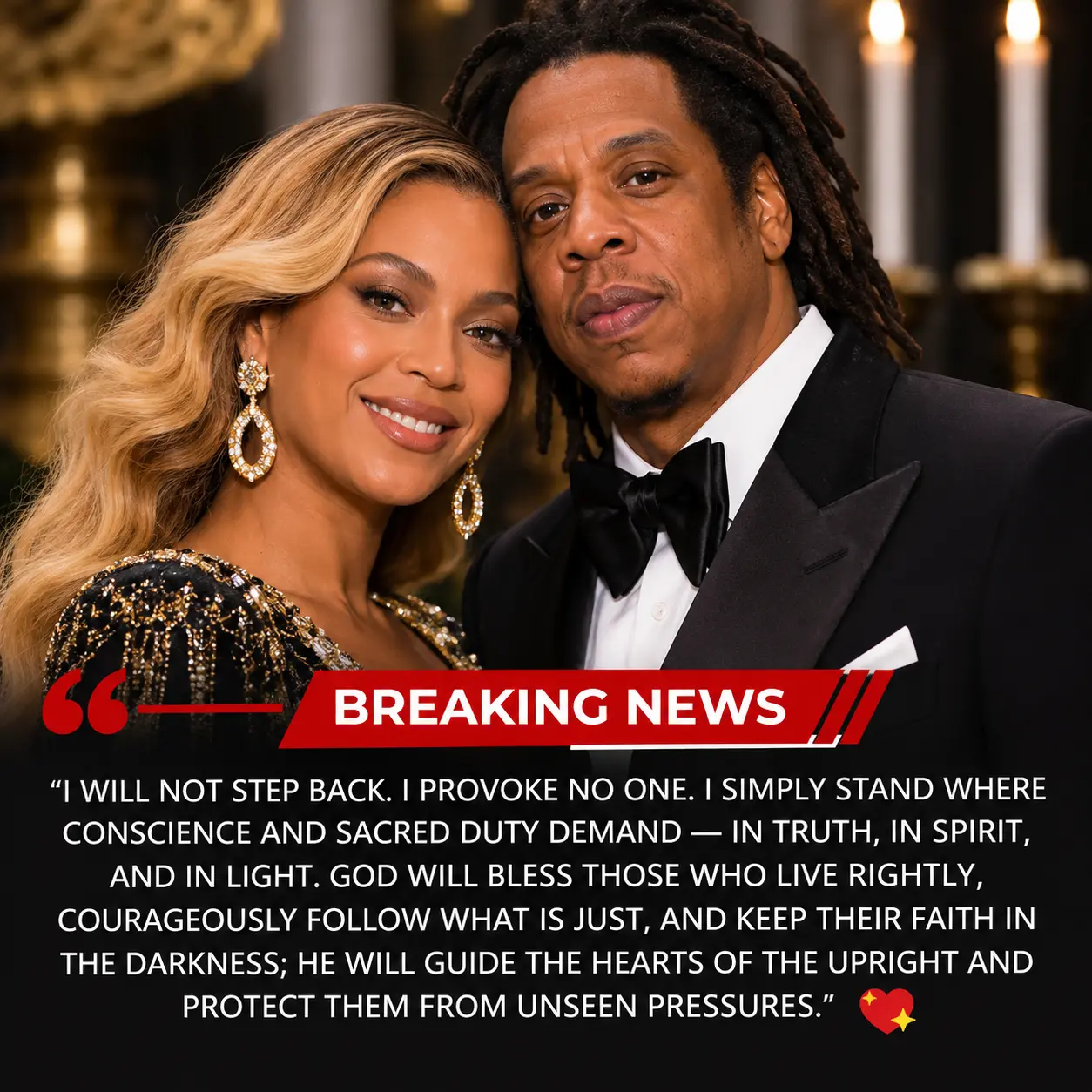
Her concluding statements were devoid of sensationalism or self-pity. Looking squarely into the lens, she declared: "I am not taking a single step backward. I am not running a smear campaign against anyone. I am simply standing where I have always stood, out in the open, anchored in the truth." She rose smoothly from the plain wooden chair, smoothed her clothing, and delivered her parting words: "See you tomorrow. Or not. That part ain’t up to me." She walked calmly out of frame into the dark perimeter of the room, leaving the feed active for nearly four unedited minutes—broadcasting an empty wooden chair and a solitary mobile phone buzzing relentlessly against the table until the signal finally terminated.