ANATOMY OF A VIRAL HOAX: UNPACKING THE FABRICATED CLOONEY-REID CELEBRITY CLASH
In the modern digital landscape, political outrage moves at the speed of a single click. A sensational narrative featuring Hollywood megastar George Clooney and Kansas City Chiefs Head Coach Andy Reid recently flooded social media feeds, alleging a fierce, public feud between the two figures over patriotism, traditional values, and American culture.
The story quickly went viral, generating thousands of shares and heated online debates. However, a closer look at the facts reveals a stark reality: the entire confrontation never happened. The story is a textbook example of fabricated online clickbait designed to exploit cultural divisions for engagement.
Deconstructing the Fabricated Narrative
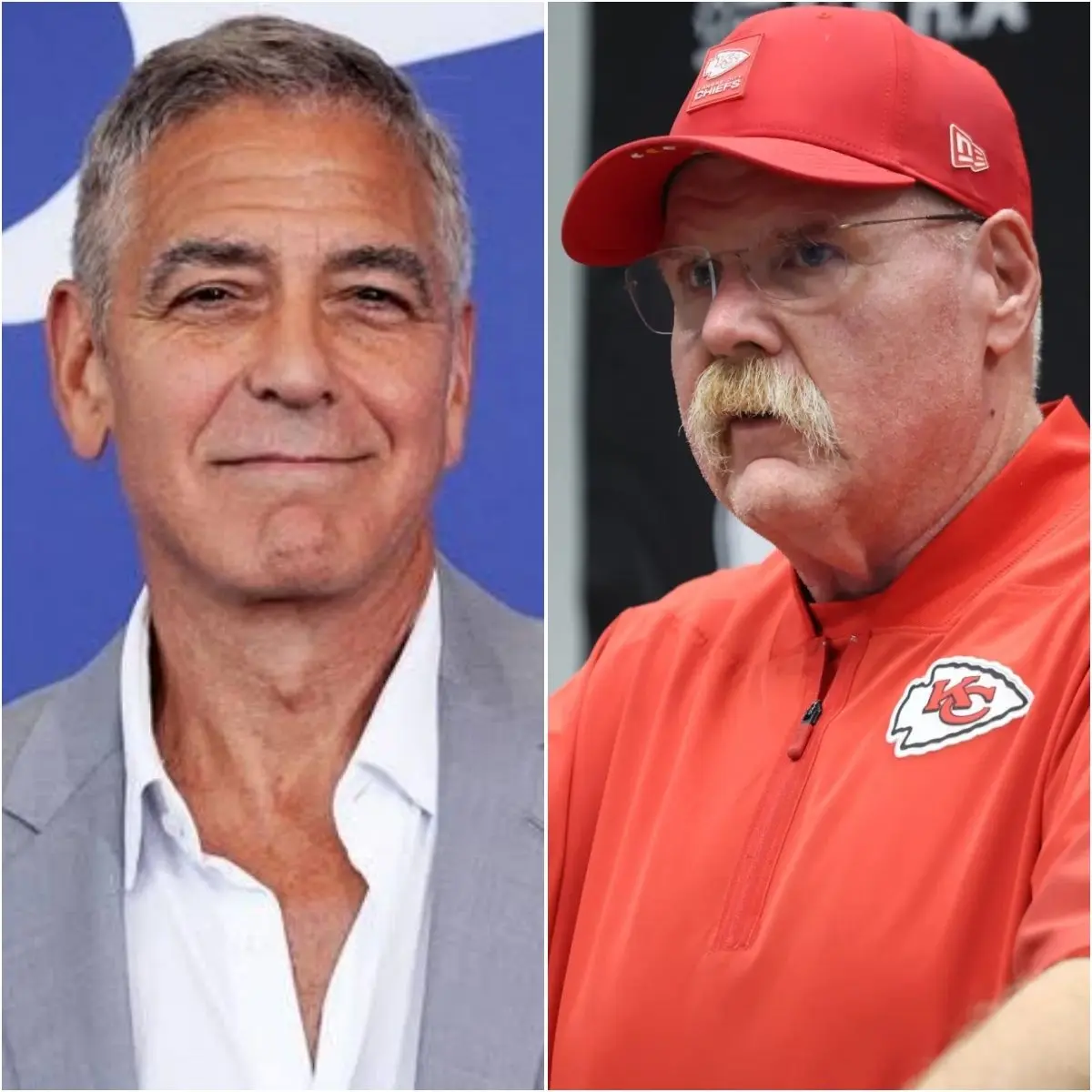
The viral post describes a dramatic showdown where George Clooney reportedly targeted Andy Reid for his personal and political views. According to the narrative, Reid responded with a calm yet devastating speech defending free speech, traditional values, and everyday Americans, delivering a quote-heavy rebuke aimed at Hollywood elites.
While the quotes attributed to Reid sound tailored for a cinematic monologue, there is zero record of any such exchange taking place. Neither George Clooney nor Andy Reid has ever made public statements regarding one another on these topics, nor did any such confrontation occur at any event, press conference, or media outlet.
This type of fictional storytelling relies on specific tropes to capture reader attention:
- The Hollywood vs. Heartlands Trope: Casting a high-profile actor alongside a blue-collar sports icon creates an instant, relatable conflict dynamic.
- cinematic Speeches: Attributing long, perfectly polished monologues to public figures gives the fiction an air of moral victory.
- Emotional Hook Sentences: Trailing off at dramatic points (e.g., "America was not...") encourages readers to engage, share, and seek out non-existent follow-up details.
Why Fake News Targets Figures Like Andy Reid and George Clooney
To understand why this specific story gained traction, one must look at the public profiles of the individuals involved.
Andy Reid: The Embodiment of Steady Leadership As one of the most successful head coaches in NFL history, Andy Reid is widely respected across the sports world. Known for his calm demeanor, disciplined approach, and humble press conference presence, Reid represents stability and pragmatic leadership. Disinformation creators often co-opt respected, non-controversial figures like Reid because their established credibility makes fabricated "moral victories" feel authentic to unsuspecting readers.
George Clooney: The Frequent Target of Celebrity Tropes As an Oscar-winning actor and director who has historically been vocal about human rights and civic engagement, George Clooney is a frequent target of political clickbait. Fabricated stories regularly cast Clooney as the antagonist in fictional clashes to tap into existing cultural debates surrounding Hollywood influence on public discourse.
The Mechanics of Digital Engagement Bait
Stories like the fictional Clooney-Reid clash do not spread by accident; they are engineered to capitalize on how social media algorithms work.
- Exploiting Confirmation Bias: Readers are far more likely to share content that aligns with their pre-existing worldview, often without double-checking the underlying sources.
- Manufactured Urgency: Phrases like "LAST NIGHT" or "Brutal lesson" create a sense of breaking news that tricks readers into reacting emotionally before assessing accuracy.
- Algorithmic Engagement: As users leave comments debating whether "Reid was right" or "Clooney went too far," algorithms interpret the high volume of comments as high-quality engagement, boosting the post to even wider audiences.
Navigating Media Literacy in the Information Age
The fabricated feud between George Clooney and Andy Reid highlights the growing necessity of critical media literacy. As artificial intelligence and automated content generation continue to flood digital platforms, discerning factual reporting from engineered fiction requires a cautious approach.
Before sharing sensational stories, readers should look for key indicators of authenticity:
- Reputable Press Outlets: Genuine public clashes between A-list celebrities and NFL coaches are covered by mainstream news organizations and sports outlets, not just anonymous social media pages.
- Direct Audio or Video Evidence: High-profile public statements are virtually always recorded. The absence of video or audio for a supposed "public confrontation" is a immediate red flag.
- Verified Social Media Accounts: Official statements are distributed through verified press channels or recognized personal accounts.
The Bottom Line
While the fictional story of Andy Reid offering a speech on free speech and tolerance makes for compelling reading, it remains entirely a work of internet fiction. Neither Reid nor Clooney engaged in this debate, and the viral post stands as a reminder that on the modern internet, sensational headlines often say far more about the state of digital media than they do about reality.